Why is CPD Essential for Counsellors?

Counselling is an evolving field. New research, shifting ethical frameworks, and better understandings of neurodiversity mean that the learning never truly stops after you qualify. Engaging in regular CPD ensures that your practice remains safe, effective, and inclusive.

Most professional organisations, such as the BACP, require a minimum number of CPD hours each year to maintain membership. However, the true value lies in preventing professional isolation, avoiding burnout, and ensuring you are equipped to support the diverse needs of the people who come to see you.


About CPD

CPD Goals

My goal is to ensure that every session contributes to your professional growth in a way that feels supportive and relevant. By focusing on areas such as neuro-affirming practice, I help you stay at the forefront of inclusive therapeutic work.

My Philosophy on Professional Learning

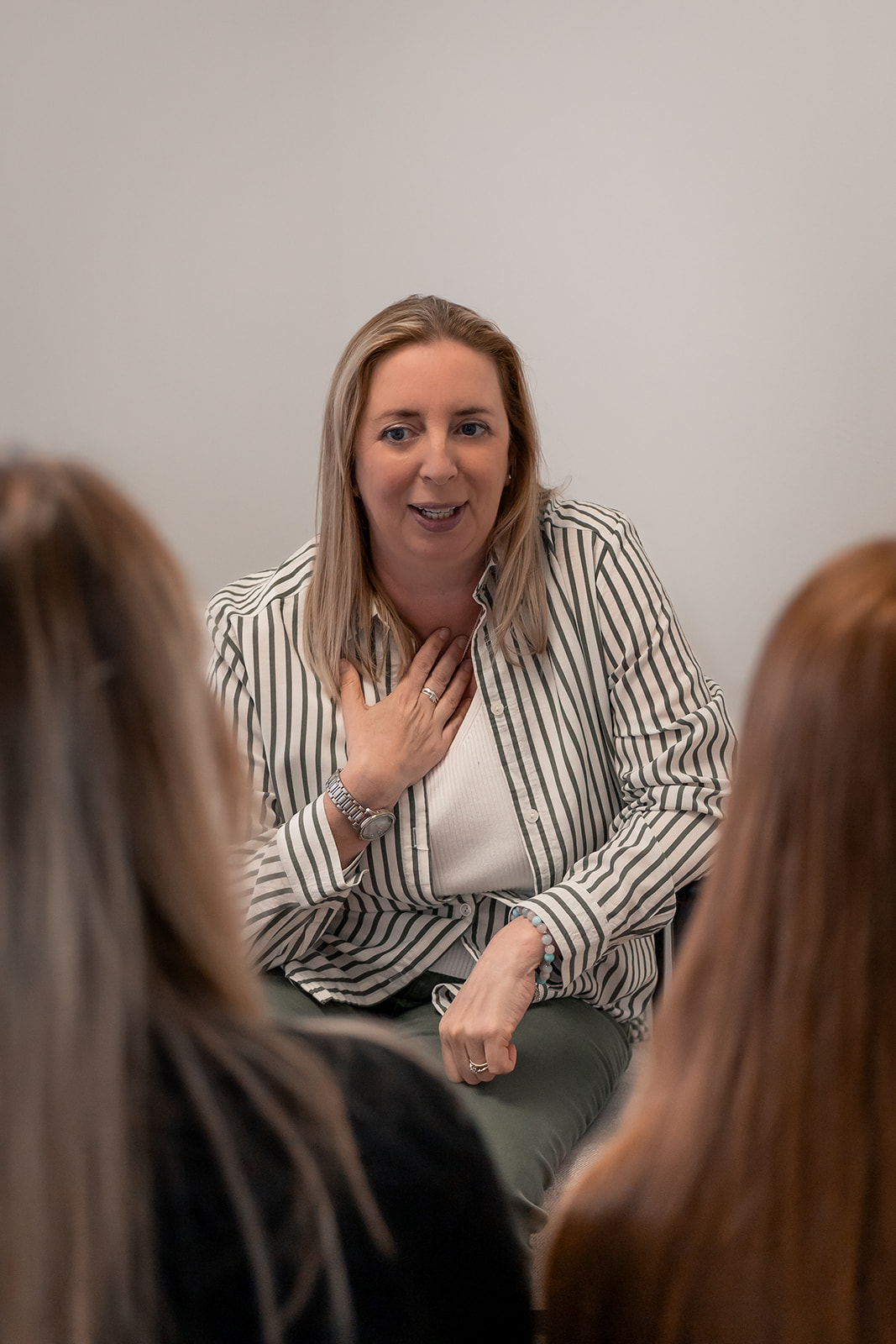
I believe that CPD should be more than a box-ticking exercise. It should be a meaningful opportunity to reflect on your work and gain practical tools that you can use immediately. I design and deliver a range of programmes specifically to strengthen your skills and reflective practice that can be utilised in your line of work, or alongside your learning.

How My Workshops Support You

Professional development should be an active experience. I use interactive activities, group discussions, and reflective exercises to help you embed new learning into your daily practice. This approach ensures that the knowledge you gain is not just theoretical but has a direct, positive impact on your clients and in a variety of environments such as classrooms, a family home and patient consultations.

Staying Current

Keeping up with the latest evidence-based training and best practice.

Ethical Security

Deepening your understanding of professional boundaries and relational dignity.

Professional Trust

My programmes are accredited by The CPD Group, which is recognised for high standards and credibility in the sector.

Specialised Skills

Gaining confidence in specific areas, such as supporting neurodivergent individuals or managing complex family dynamics.